



【Laiwo Medical: Knowledge Sharing】Help! My nose in winter is even more 'glass hearted' than mine
Publish Date: 2025/12/17
The alarm clock rang three times in a row, finally mustering up the courage to lift the blanket. Before I could stretch out, my nose "made a sound" and I sneezed loudly, saying hello to the morning.

The 'temperature difference damage' in winter is always borne by the nose first. From the bed to the bedroom, from indoors to outdoors. Every sudden change in temperature is like a test of "ice and fire" for the nose. Nasal congestion, runny nose, and dry itching come one after another, making people feel embarrassed as soon as they wake up.
Leaving the bed, welcoming the "slight cool shock" of the morning with your nose
After finishing the final psychological struggle in the warm blanket, the second we suddenly lifted the blanket and stood up, our nose silently endured everything for us. You should know that this temperature difference may only be a slight stimulation for the entire body's skin; But for the nasal cavity that is always exposed and in direct contact with the air, it is an "emergency dispatch" that must be activated immediately.

The correct approach is to give the nose "buffer time". Don't rush to wake up after waking up. First, lift a corner of the blanket and expose your arms or legs, allowing your body to first come into contact with the indoor air and adapt for a while.
Wearing a mask for half a day, soaking the nose in 'cold water'
In order to prevent cold air, many people wear masks when going out, but sometimes they feel uncomfortable the more they wear their noses. This is because the exhaled heat condenses into water droplets inside the mask, and the sealing of the mask prevents the water droplets from evaporating. When the nose is in a wet and cold environment for a long time, it is like soaking in "cold water", and the mucous membrane becomes more sensitive.
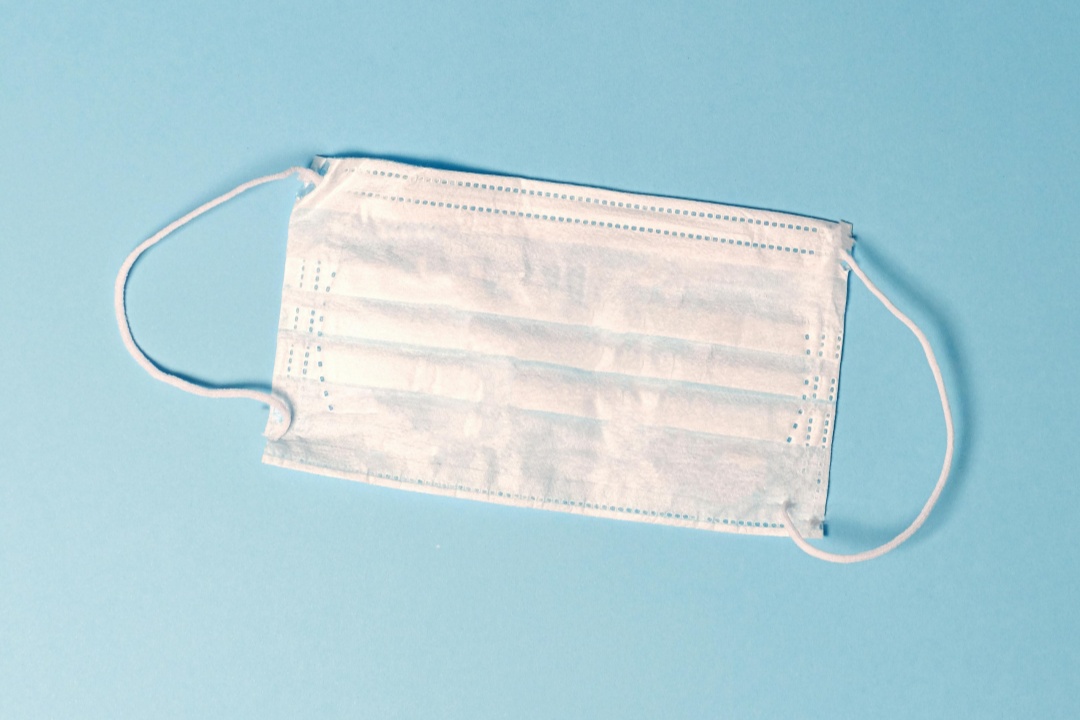
The correct approach: choose the right mask and replace it in a timely manner. Priority should be given to masks made of pure cotton or with breathable valves. Pure cotton material has good moisture absorption and breathable valves can reduce the accumulation of hot air; If you need to wear a mask for a long time, it is recommended to change it every 2-3 hours to avoid moisture inside the mask; After removing the mask, use a clean tissue to wipe away any water droplets from the nose tip in a timely manner to keep the nose dry.
Washing face water too hot is a 'passionate injury' to the nose
Many people understand how comfortable it is to wash your face with hot water in winter. But what you don't know is that too hot water (over 40 ℃) may be another excessive stimulation for the nose.

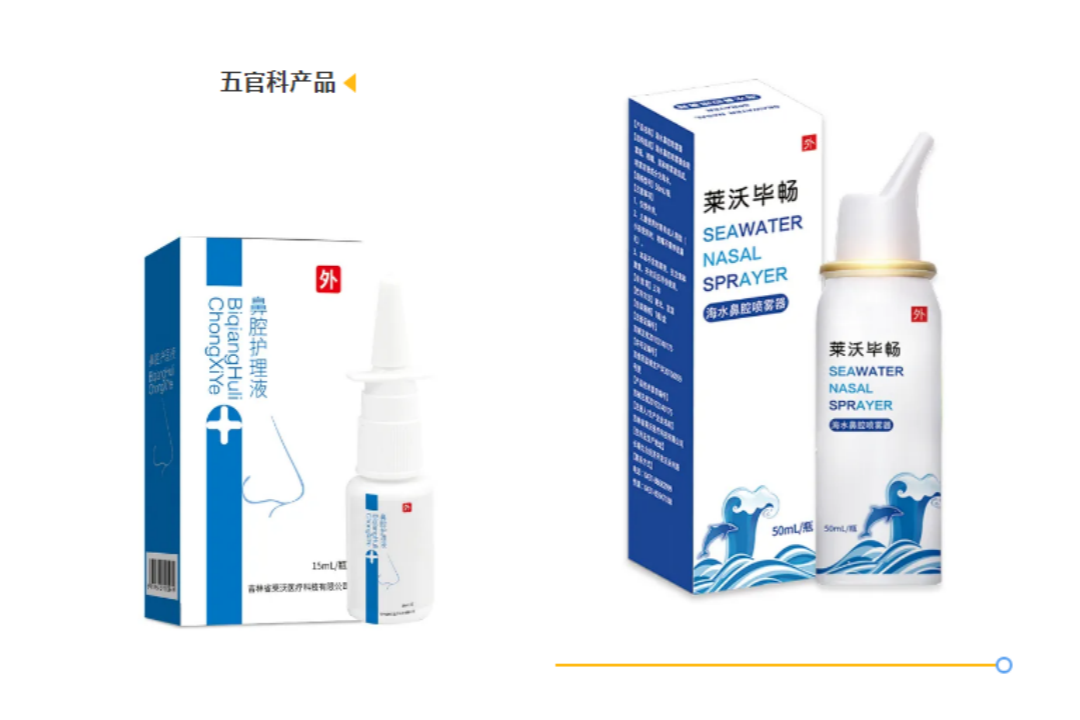
Correct practice: Use warm water to gently clean the nose. The temperature of the facial wash should be controlled at around 37 ℃, which is close to body temperature and can effectively wash away dirt without stimulating the mucous membrane. When washing your face, you can hold a little warm water in your hand and gently splash it on the base of your nose, allowing your nasal cavity to slowly adapt to the water temperature. After washing, gently dry it with a soft towel, and do not rub your nose too hard. If your nose feels dry, you can also spray it with normal saline nasal spray and seawater nasal spray to replenish the nasal cavity with water.

In fact, the nose may not be afraid of cold, but of sudden temperature changes. Laiwo Medical suggests that instead of waiting until the nose feels uncomfortable to find a solution, it's better to start with the small details of life and give the nose a little more "gentle treatment".
for reference only