


【 Laiwo Medical: Knowledge Sharing 】 Scar itching ≠ healing! Don't confuse these two types of itching
Publish Date: 2026/1/22
After the wound scabs, the skin will always itch, and most people assume this is a signal that the skin is slowly healing. Subconsciously, they want to use their hands to scratch and relieve it. But not all itchiness is a good sign of scar repair. Some itchiness is actually a "warning signal" quietly emitted by the skin. If scratched casually, it will only make the scar more unsightly and even worsen the problem!
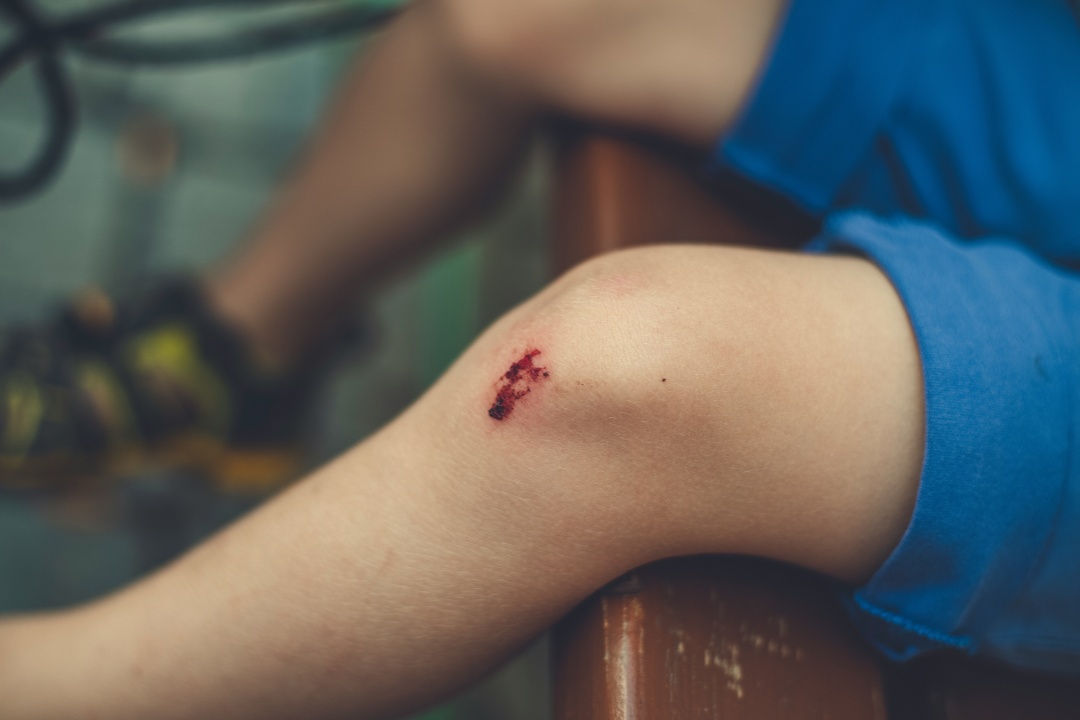
To deal with it correctly, first distinguish the difference between these two types of itching and avoid stepping on them.
The first type is "friendly itching", which often occurs 1-2 weeks before wound healing, which is the critical stage of scab formation and new flesh growth. This itching sensation is crispy and numbing, like a small ant crawling gently over it. The degree is mild, and with a little patience, it can pass. When the scab naturally falls off, the itching will also disappear. This itching is the true signal of normal skin repair, and the scars will gradually become lighter and flatter in the future.
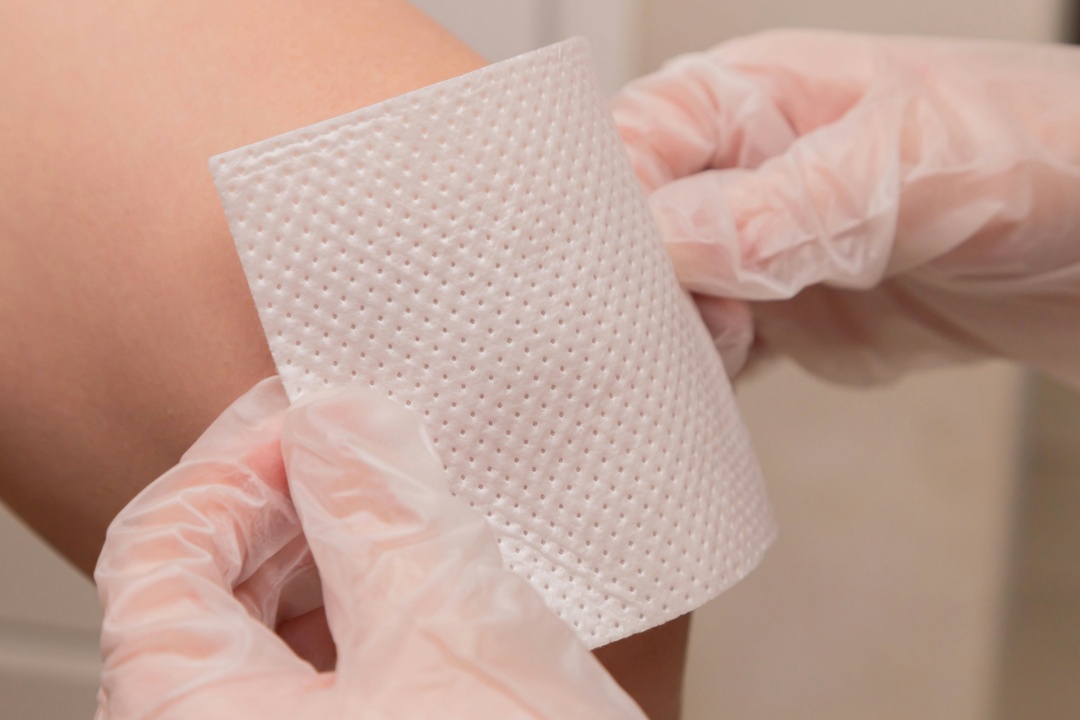
Another type is "troublemaking itch", which has nothing to do with healing and instead means that the skin is having problems. This itching persists even after the scab has peeled off, and can even last for several months. Its characteristic is that the more you scratch, the more itchy it becomes, accompanied by stinging and burning sensations. They can also be clearly distinguished from the appearance, gradually turning red, protruding, and hardening, with the color continuously deepening. In severe cases, there may also be skin rupture and exudation. If not intervened in time, scars will become worse and worse.
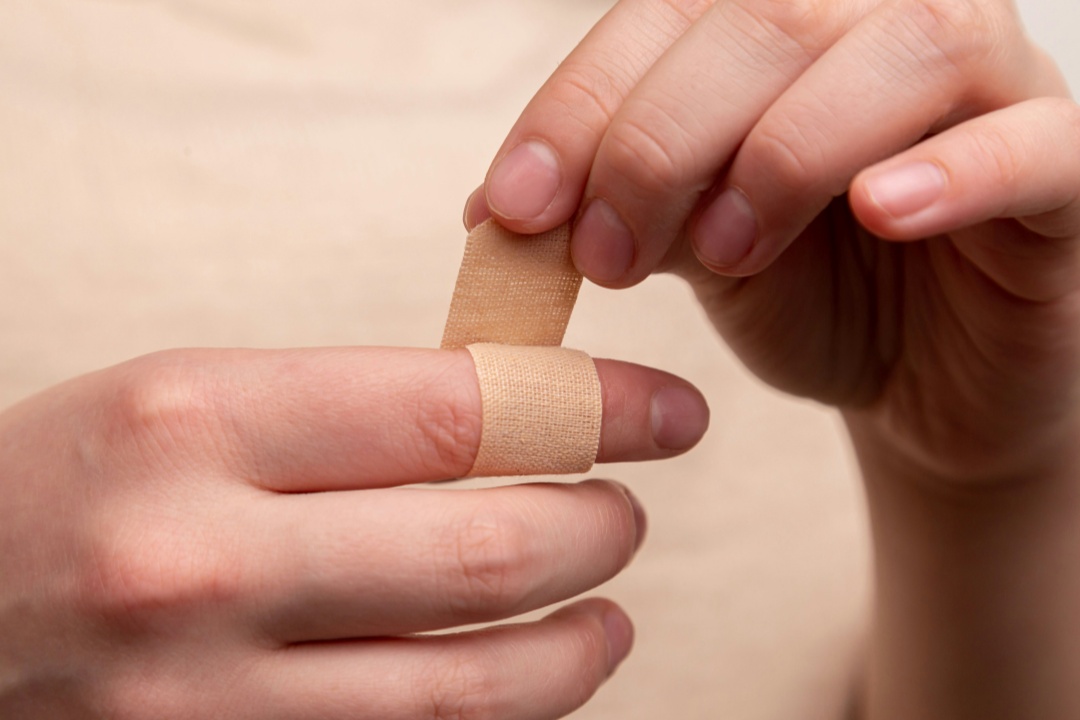
It must be emphasized here that no matter what kind of itching, scratching is a big taboo! The residual bacteria on the hands can exacerbate local inflammation, and scratching the skin may also cause secondary scar damage, doubling the difficulty of repair.
You can try the following methods to relieve discomfort: apply a cold towel or a thin cloth wrapped ice pack to the scar area for 5-10 minutes each time. Low temperature can quickly calm the skin and relieve itching; Choose gentle repair products to moisturize and help soften scar tissue; Wear loose cotton clothing in daily life, avoid friction and stuffy stimulation, eat less spicy and high sugar foods, and take good care of sun protection for newly formed scars to reduce the possibility of pigmentation and increased itching. If the scar itching persists for more than one month and is accompanied by obvious protrusion, redness, exudation, or itching and pain, it is necessary to seek medical intervention in a timely manner to avoid continuous deterioration and development.
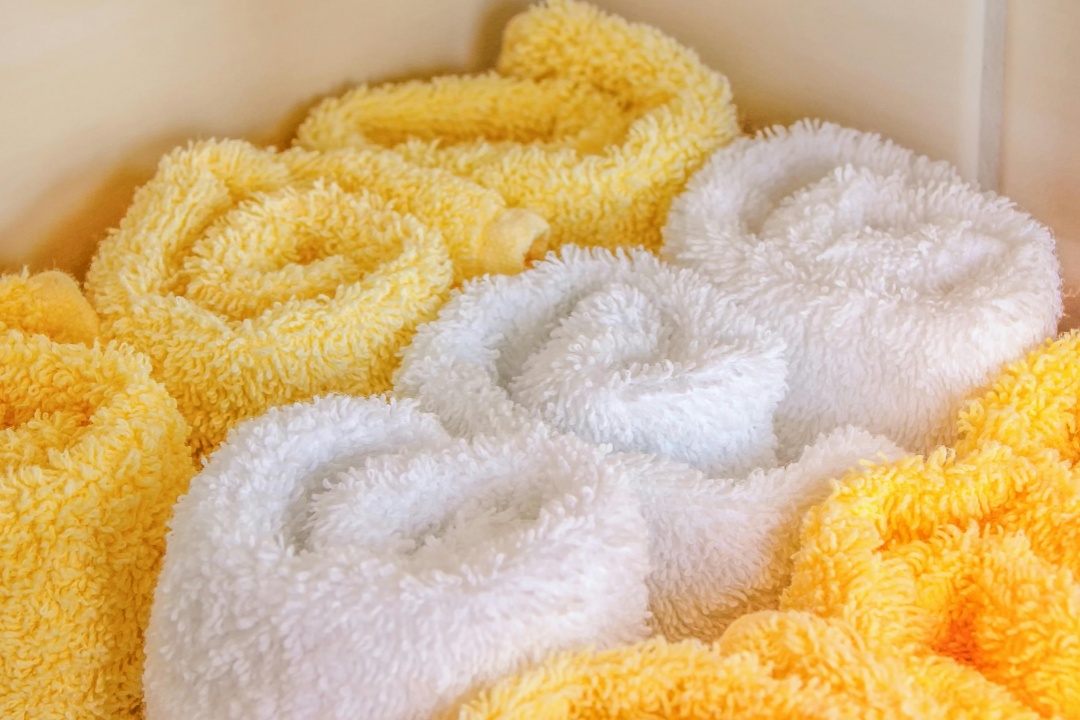
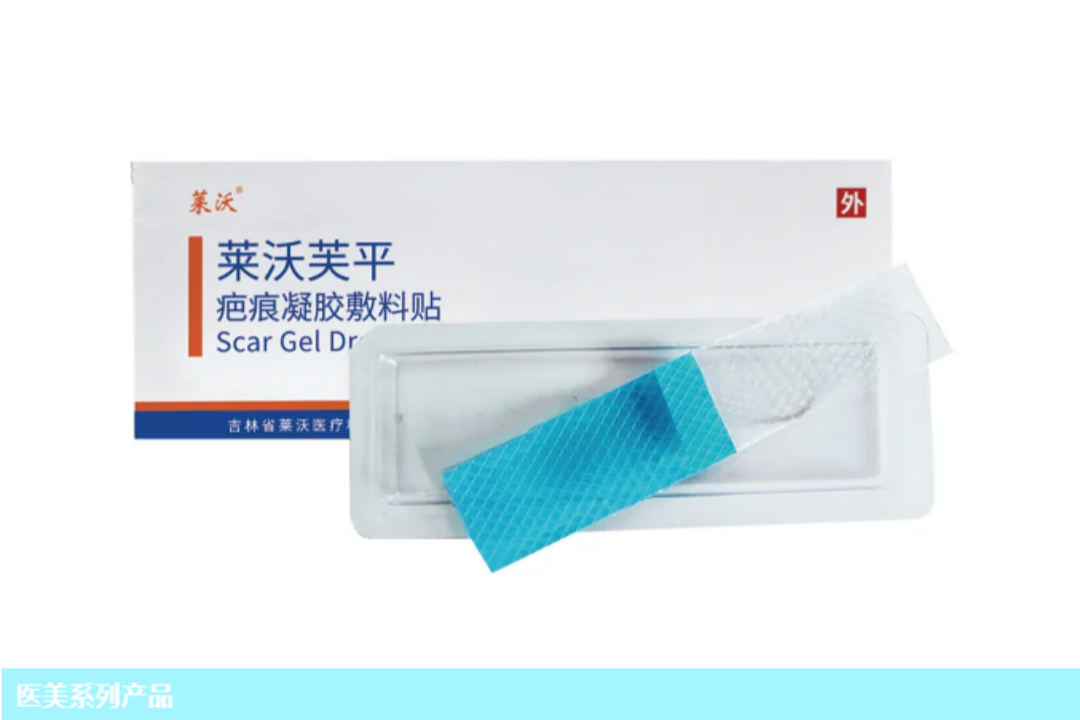
Laiwo Medical reminds you that scar repair has no "shortcut" and cannot tolerate any carelessness. Don't ignore those abnormal itching sensations, and don't indulge in the urge to scratch. Timely intervention and scientific care are necessary to prevent small scars from becoming lifelong regrets. Remember, be gentle with scars, they will quietly 'disappear'.
 for reference only