



【Laiwo Medical: Knowledge Sharing】Be careful! There may be a
Publish Date: 2026/1/27
The air in winter is always so dry that it makes the nasal cavity itch and the throat dry. At this time, humidifiers have become a "life-saving tool" for many people - once they are put at home, filled with water, and left on for 24 hours, they don't care anymore.
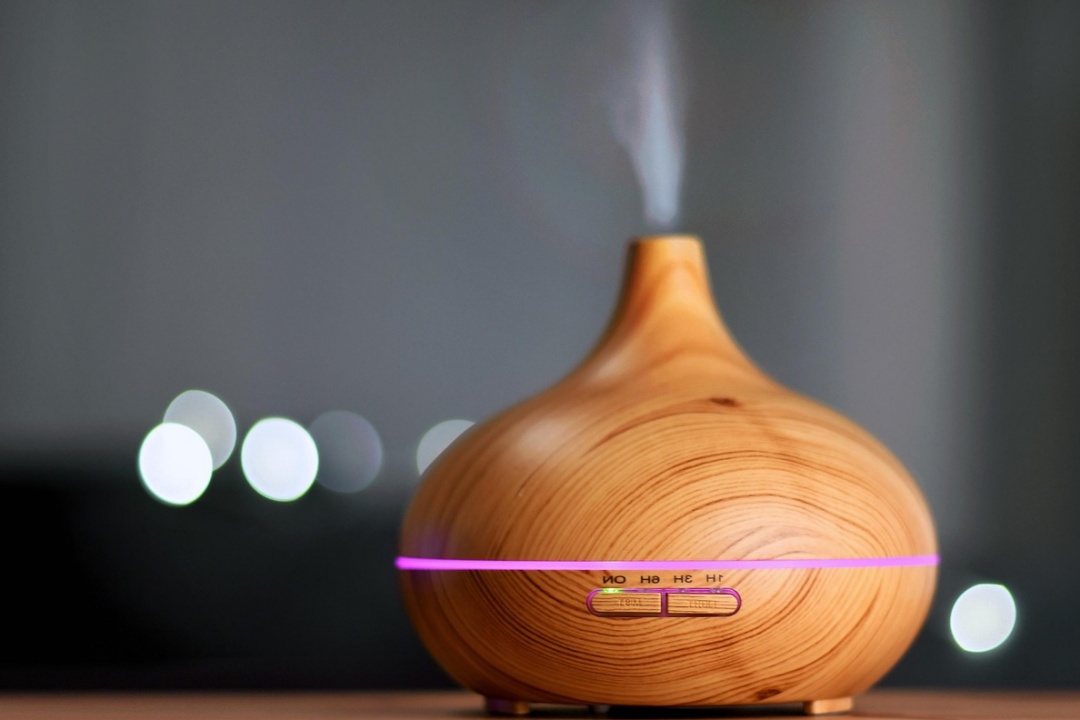
But many people have found that using a humidifier does not alleviate the discomfort in the nose, but rather exacerbates it, and even causes more frequent episodes of rhinitis. Is the humidifier useless? Actually, this may be because you stepped on the following pitfalls while using:
Minefield 1. Excessive humidity leads to bacterial growth
The core function of a humidifier is to regulate air humidity, not 'the wetter the better'. The comfortable air humidity for the human body is between 40% and 60%. Once the humidity exceeds 70%, the air becomes humid and stuffy, making it a breeding ground for mold, mite dust, and bacteria. These microorganisms will float in the air with the mist from the humidifier, and when inhaled into the nasal cavity, they will directly stimulate the delicate nasal mucosa and induce allergic rhinitis; For people who already have chronic rhinitis, it may also worsen nasal mucosal edema and make nasal congestion more stubborn.
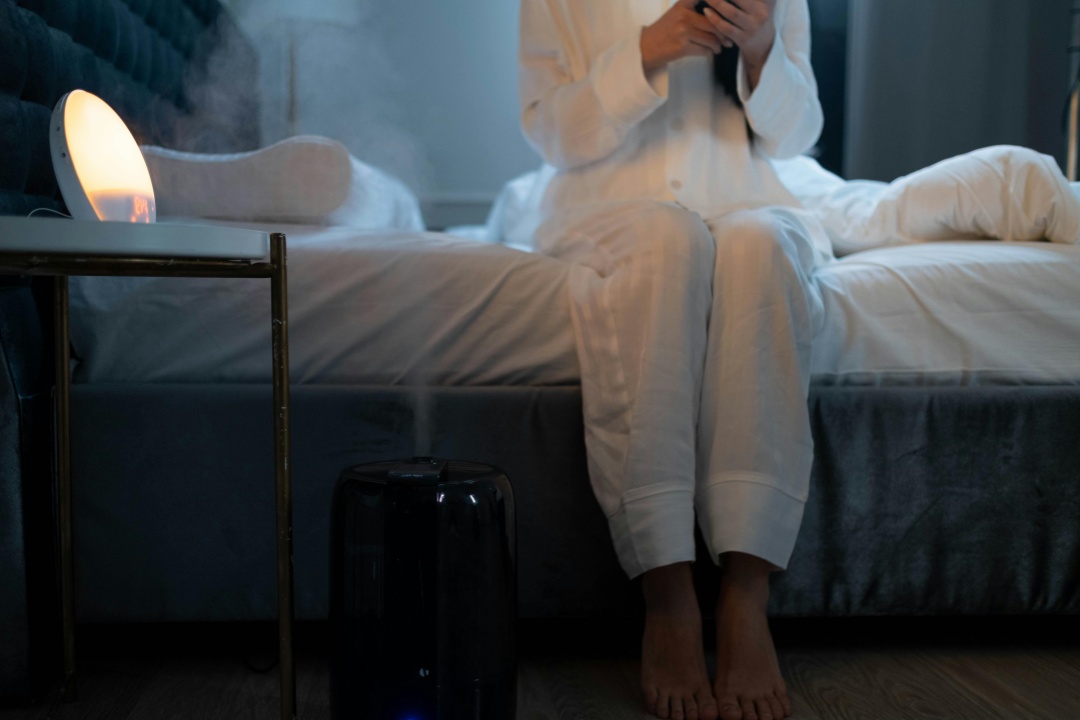
Suggestion: Do not keep the humidifier on all the time. Simply turn it on 1-2 hours before bedtime. It is best to pair it with a hygrometer to control the air humidity within a reasonable range.
Minefield 2. Beware of water quality traps
This is the most common misconception. Many people, for the sake of convenience, simply pour tap water into a humidifier without realizing that tap water contains minerals, chlorine, and microorganisms. When the humidifier is working, it will turn these substances into small water mist particles. As they enter the nasal cavity through breathing, these substances may irritate the nasal mucosa and damage the self-defense barrier of the nasal cavity; Bacteria will settle in the nasal cavity and cause inflammation.

Suggestion: Prioritize using purified water or cold boiled water to avoid direct humidification of tap water.
Minefield 3: Humidifiers transform into 'bacterial culture dishes'
What's even more terrifying than tap water is never cleaning the humidifier. You should know that its water tank and filter are both damp and sealed spaces. If not cleaned in time after use, the residual water will breed a large amount of mold. The next time you turn on the machine, these "dirty things" will be sprayed into the air with water mist, which is equivalent to "sprinkling mold" on the room. People with rhinitis who inhale it are like adding insult to injury.
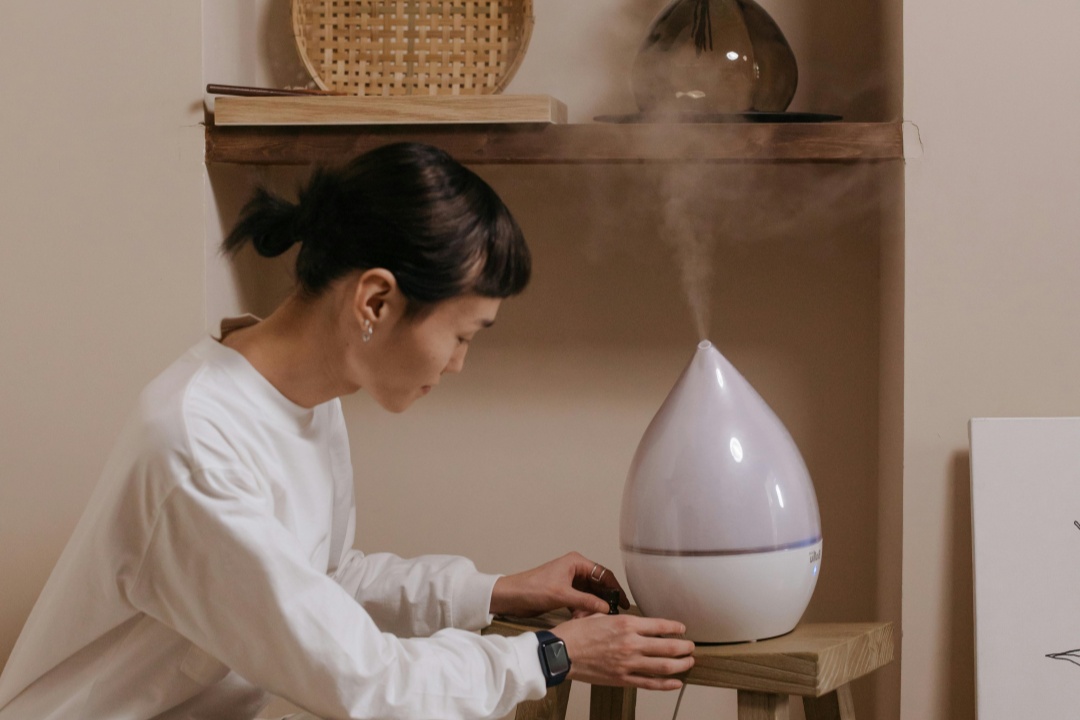
Suggestion: After each use, pour out the remaining water in the water tank and rinse the water tank and filter with clean water; Thoroughly disinfect once a week with white vinegar or specialized cleaning agents, air dry before storing.

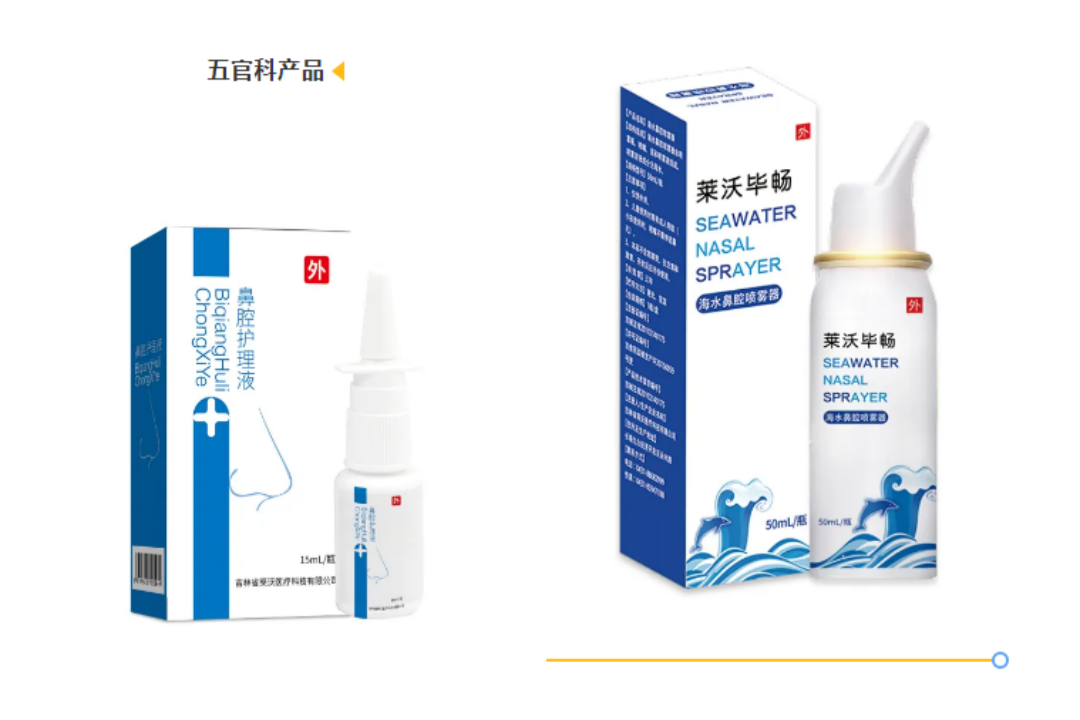
A healthy nasal environment requires a balance between cleanliness and humidity. Humidifiers are like a double-edged sword. Whether they bring moisture and protection to the nasal cavity or quietly bury hidden dangers of rhinitis depends on whether the right method is used. Laiwo Medical kindly reminds you that in the fight against rhinitis, there is often no need for complicated equipment, just a clear understanding and meticulous care.
for reference only