



【Laiwo Medical: Knowledge Sharing】Can rhinitis really be contagious if one person blows their nose and the whole family sneezes?
Publish Date: 2026/5/6
Have you noticed a strange phenomenon: if one person in the family starts to have rhinitis, within a few days, others will also sneeze and have a runny nose. Watching a family gathering together to blow their noses, it's hard not to wonder if rhinitis is contagious?

Firstly, it needs to be clarified that rhinitis is not an infectious disease caused by viruses or bacteria, and is not transmitted through droplets or contact. Its essence is an inflammatory response of the nasal mucosa, simply put, it is the discomfort caused by the nasal cavity being "too sensitive" to certain things or being stimulated by external factors.
So the question is: since it's not contagious, why does the whole family always fall victim to collective attacks? The answer is simple: it's because you live in the same environment and are exposed to the same allergens and irritants. Breathing the same air and sharing the same home conditions, as long as there are factors that trigger rhinitis in the environment, everyone may experience symptoms one after another.

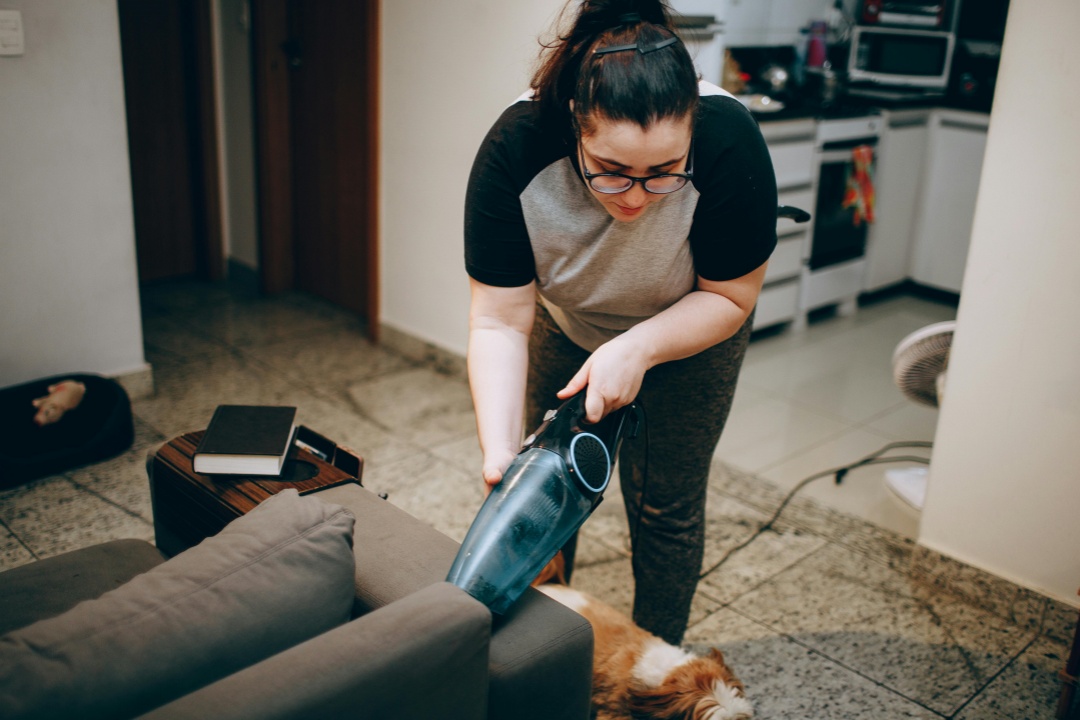
The most common example is dust mites, which can be hidden in mattresses, bedding, sofa crevices, carpets, and even plush toys at home. A family comes into contact with these items every day, and once the dust mite concentration exceeds the standard, sensitive individuals will be the first to experience symptoms; For example, the cold air during seasonal changes can stimulate the contraction of nasal mucosa, which may cause sneezing in both individuals with pre-existing rhinitis and those with sensitive nasal cavities.

In addition, everyone's body responds differently to stimuli: some people already have mild rhinitis, which can quickly flare up when stimulated by the environment; Some people may not have rhinitis at first, but if they are exposed to high concentrations of allergens for a long time, their immune system will gradually produce allergic reactions, which can trigger rhinitis. This also leads to the illusion that "rhinitis can be contagious", but in essence, the same environment is affecting every family member.
Since we have found the "culprit", we can prescribe the right medicine to reduce the onset of rhinitis from the root and protect the health of our family.
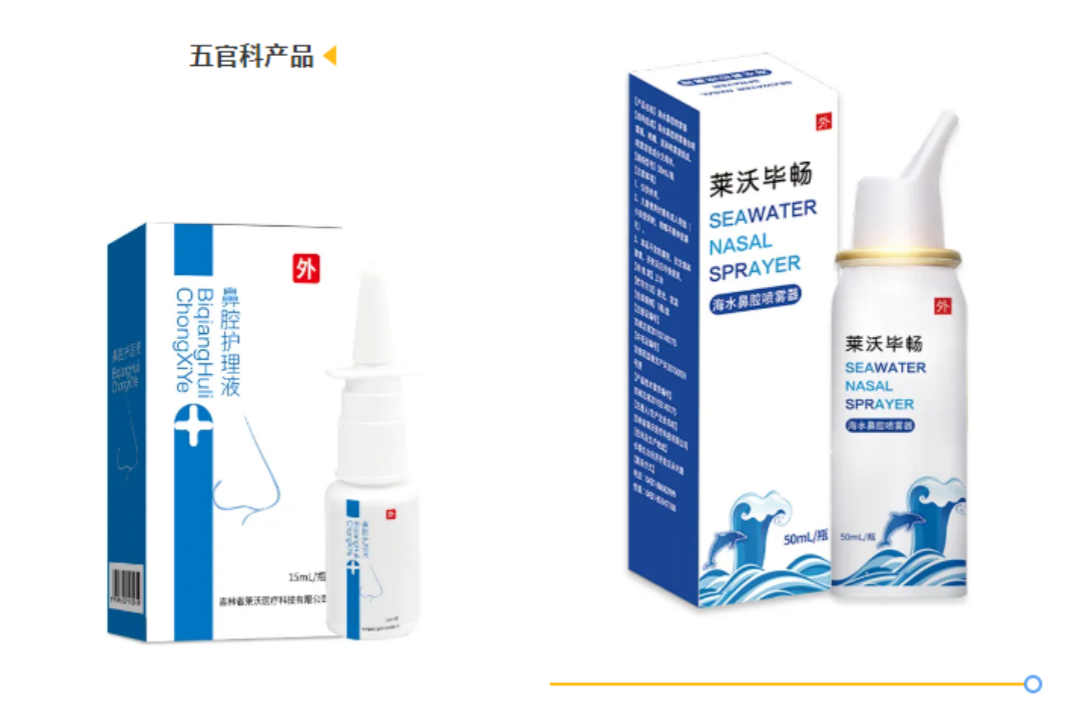
Firstly, focus on identifying areas with high levels of allergens in your home, such as mattresses, pillows, fabric sofas, carpets, plush toys, etc. These areas are most prone to dust mites. It is recommended to regularly clean them with hot water above 60 ℃ or thoroughly clean them with a mite remover to reduce dust mite growth at the source; Secondly, areas such as air conditioning filters, humidifiers, and corners of the bathroom that are prone to mold growth should be cleaned and ventilated frequently to maintain a dry environment and prevent mold spores from spreading into the air and irritating the nasal cavity; In addition, it is recommended to wear a mask when cleaning to avoid the inhalation of dust and mites raised during the cleaning process. At the same time, you can use normal saline or seawater nasal spray to clean the nasal cavity to help wash away allergens and secretions in the nasal cavity and alleviate nasal discomfort. It should be noted that although the environment is the same, everyone's allergens may not be exactly the same. If rhinitis recurs and seriously affects daily life, it is recommended to seek medical attention promptly, identify the cause, and receive targeted treatment.

The continuous occurrence of rhinitis in a family is not transmitted from one person to another, but rather a long-term environmental hazard that has not been taken seriously in the home. Laiwo Medical Warm Reminder: Breaking this cycle is not difficult, do a good job of home cleaning, and adhere to nasal care. By doing these things, you will find that the troubles of rhinitis gradually disappear, and the breathing of the whole family becomes easier and smoother.
for reference only