


【Laiwo Medical: Knowledge Sharing】Who said that only prolonged sitting can cause hemorrhoids? These types of people actually have high risks!
Publish Date: 2026/5/18
When it comes to hemorrhoids, many people's first reaction is: Isn't that something that only people who sit still every day get? In fact, the truth is far more complex than you imagine. While prolonged sitting is a common cause, it is not the only "culprit". There are several types of people in life who have been "targeted" by hemorrhoids for a long time without realizing it.
Long term standing: Your 'standing' skills may be harming you
Many people know that prolonged sitting can harm the buttocks, but few remind us that standing for too long is equally dangerous. Standing continuously for several hours every day, the weight of the body will continue to compress the pelvic and perianal areas, causing obstruction of venous blood flow, congestion, and eventually leading to discomfort such as bloating and pain. What is even more alarming is that people who stand for a long time rarely have the opportunity to sit down or raise their legs to relax during work, and often neglect to go to the bathroom and replenish water due to busyness, further increasing the burden on the perianal area.
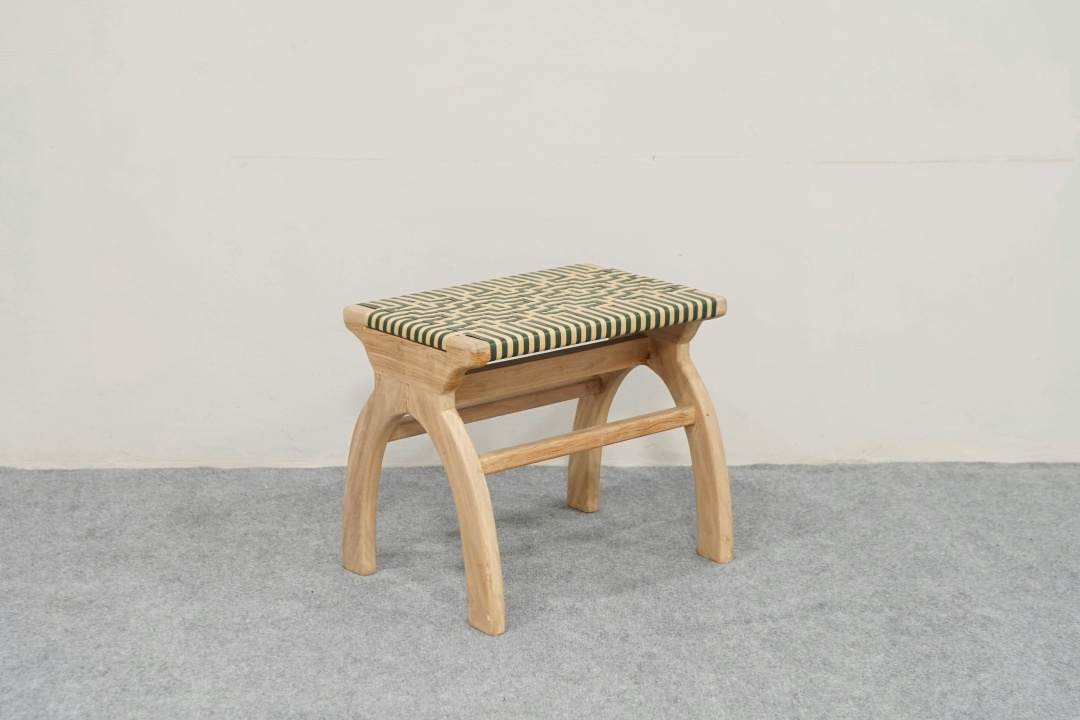
Small suggestion: Every hour or so, try doing a few "anal lifting exercises". If conditions permit, prepare a small stool and take turns stepping on it with both feet to change the posture of the lower limbs and relieve local pressure.
Pregnant women and postpartum mothers: the burden of two people, one person's hemorrhoids
For expectant mothers, hemorrhoids seem to be an unavoidable problem. Hormonal changes during pregnancy, coupled with increasing uterine pressure on pelvic blood vessels, and reduced physical activity during pregnancy, can easily lead to constipation. The combination of multiple factors can easily cause discomfort around the anus; After giving birth, pelvic floor muscle relaxation, long-term bed rest, and sometimes a greasy diet can make this problem even worse. Many mothers, due to embarrassment, can only silently endure it.
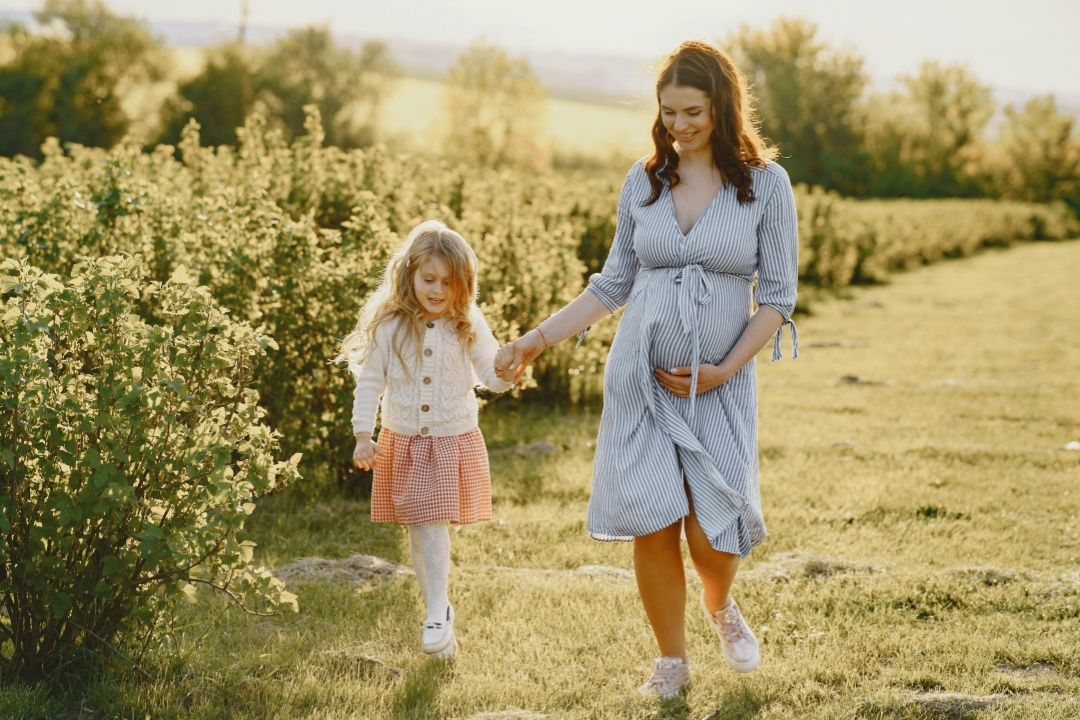
Small suggestion: During pregnancy, it is advisable to take a walk, eat more fresh fruits and vegetables, drink plenty of water, and prevent constipation in advance; Postpartum diet should balance nutrition and lightness, avoid prolonged sitting and lying down, and effectively reduce the occurrence of perianal discomfort through gentle adjustment.
Long distance travel crowds: people on a bumpy road, hemorrhoids on a bumpy ride
Truck drivers, food delivery riders, and people who travel frequently are also high-risk groups. These people often drive or ride continuously for hours, and their anal area is constantly compressed and not breathable; Due to the inconvenience of using the restroom on the road, one is often forced to hold back their stool, which can lead to constipation; The service area is mostly filled with fast food that is high in oil, salt, and lacks dietary fiber. In addition, long-term mental stress, physical fatigue, and overall weakened resistance are all factors that give hemorrhoids an opportunity to take advantage of.
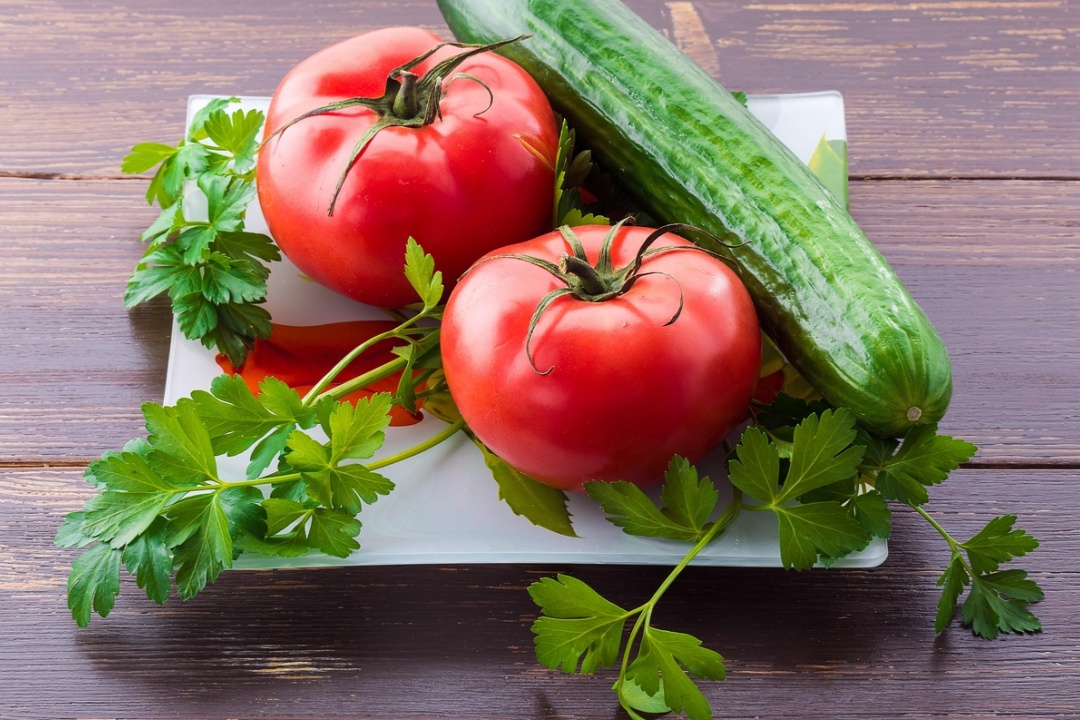
Small suggestion: If you have to drive long distances, it is recommended to stop and rest for 5-10 minutes every 2 hours, get off the car and take a walk to relieve perianal pressure; A hollow soft seat cushion (hemorrhoid prevention cushion) can be kept on the car to reduce direct pressure on the anus; Drink plenty of warm water regularly, carry convenient fruits and vegetables such as cucumbers, tomatoes, bananas with you, supplement dietary fiber, and avoid constipation.
People who are dieting to lose weight: they have lost their body shape and intestines
Many people may wonder: I eat less and don't sit often, how did I become a high-risk group? The problem lies in defecation. Dieting leads to a severe lack of dietary fiber, resulting in low stool volume, dryness, and difficulty in excretion; Insufficient water intake can further exacerbate constipation. When defecating forcefully, sudden increase in abdominal pressure can easily trigger or worsen hemorrhoids. Some extreme fasting individuals may experience alternating diarrhea and constipation, which can also stimulate the perianal area. In addition, dieting is often accompanied by malnutrition, muscle loss, and decreased pelvic floor muscle support, which can also make hemorrhoids more likely to "come knocking on the door".
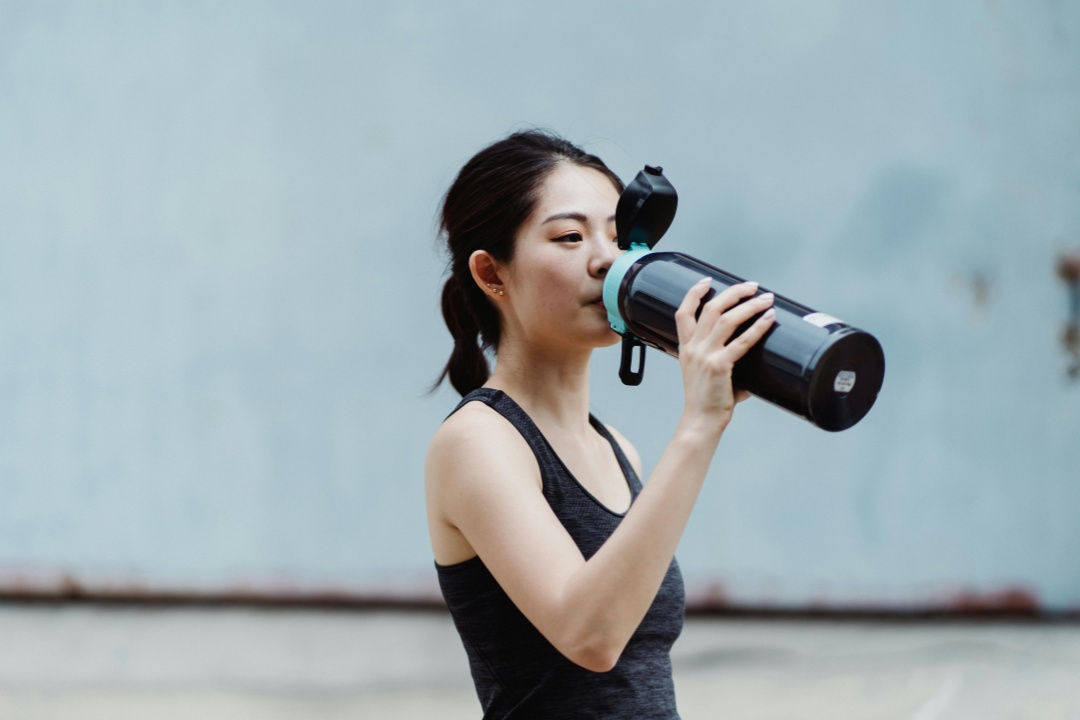
Tip: If you want to lose weight healthily, don't rely solely on hunger. Make sure to consume sufficient dietary fiber (such as oats, leafy greens, beans, etc.) every day, and drink 1.5-2 liters of water every day. Regular anal lifting exercises not only prevent hemorrhoids, but also help tighten the pelvic floor.
Hemorrhoids have never been an exclusive disease for a certain group of people. Laiwo Medical hopes that everyone can make some changes based on their own lifestyle habits, take care of their perianal health, and truly stay away from the troubles of hemorrhoids.
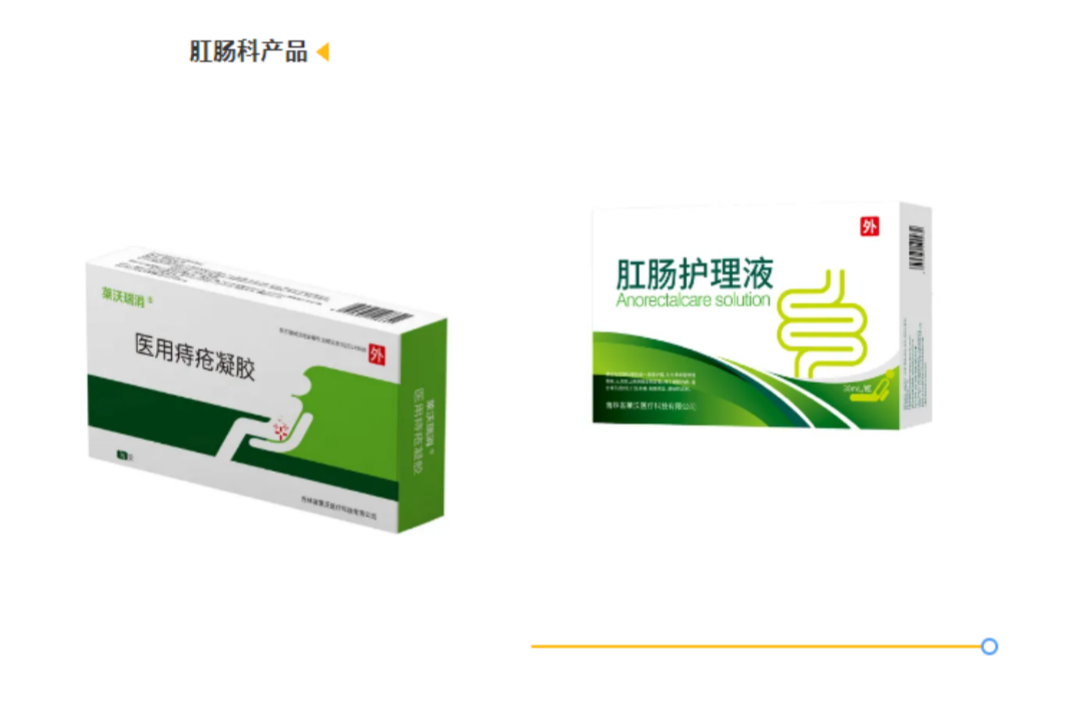
for reference only