



【Laiwo Medical: Knowledge Sharing】Don't let the small mosquito marks trap your summer
Publish Date: 2026/6/26
Every summer, there is always an unavoidable annoyance - being bitten by mosquitoes. When I first bit, it just itched. I couldn't resist scratching a few times, and the itchiness was relieved, but a mark fell on my skin. This annoyance is so light that almost no one takes it seriously, it can't be considered an injury, let alone a beauty defect; But it is so heavy that it can quietly trap the skin revealing freedom that countless people long for.

It should be the season for wearing short sleeves, skirts, and camisoles casually, but many people hesitate when they open their wardrobes, looking at the black brown marks on their arms, calves, and ankles, and having no way to choose clothes for a moment. These marks have already fully healed, without pain or itching, but they have been lingering for a long time. I believe many people have this doubt: even after being bitten by mosquitoes, some people's skin can be restored to its original smoothness within three to five days, while others' marks are repeatedly dull and persistent, becoming more and more stubborn with each delay.
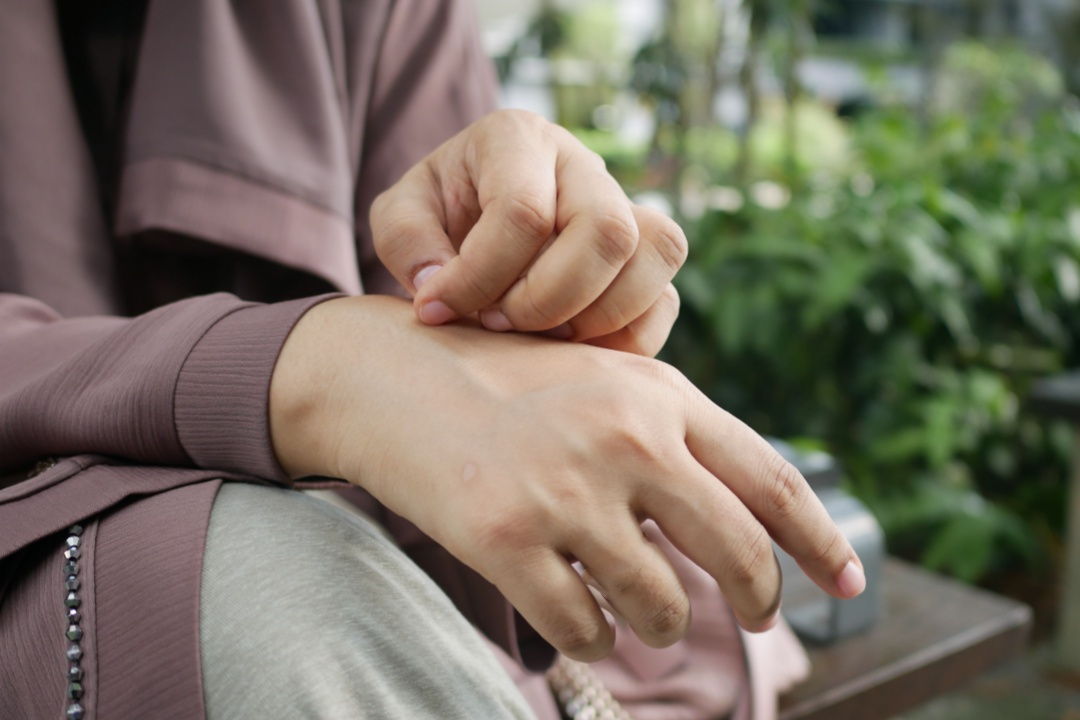
In fact, a simple mosquito bite itself does not leave a mark. It is just a brief allergic redness and swelling of the skin, which is a mild surface reaction that can quickly subside on its own under normal circumstances. The real culprit that causes the skin to turn black and form stubborn marks is the uncontrollable repeated scratching after biting, which can cause sustained irritation and lay hidden dangers for pigment deposition. The momentary itch relief ultimately becomes a long-term cost on the skin.

More importantly, many people are unaware that the marks left by mosquitoes and insects can be divided into two types, and the maintenance methods are also completely different. Blindly waiting for self-healing will only make the marks more stubborn.
One type is simple pigment melanin, with smooth and non raised skin and only dark colors. By persistently moisturizing and sunscreen, it can gradually fade away with skin metabolism. Another type is hidden small scars. Long term repeated scratching can damage the subcutaneous fibrous tissue, causing the skin to feel slightly hard and raised, with redness in the early stage and blackening in the later stage. These marks are difficult to improve with ordinary skincare alone and require patient repair of damaged skin to gradually smooth out dullness.

To avoid or improve these marks, you can start with several key steps: when itching, use cold compress to soothe instead of scratching, to avoid skin damage; After scab formation, patiently wait for natural detachment to prevent secondary damage; During the golden period of imprint healing, do a good job of local moisturizing protection, isolate sweat and dust stimulation; Persist in daily sun protection to prevent the accumulation and solidification of melanin from the source. These methods are not complicated, but each step falls at the root. Instead of trying to downplay them afterwards, it's better to have more patience with your skin from the beginning.
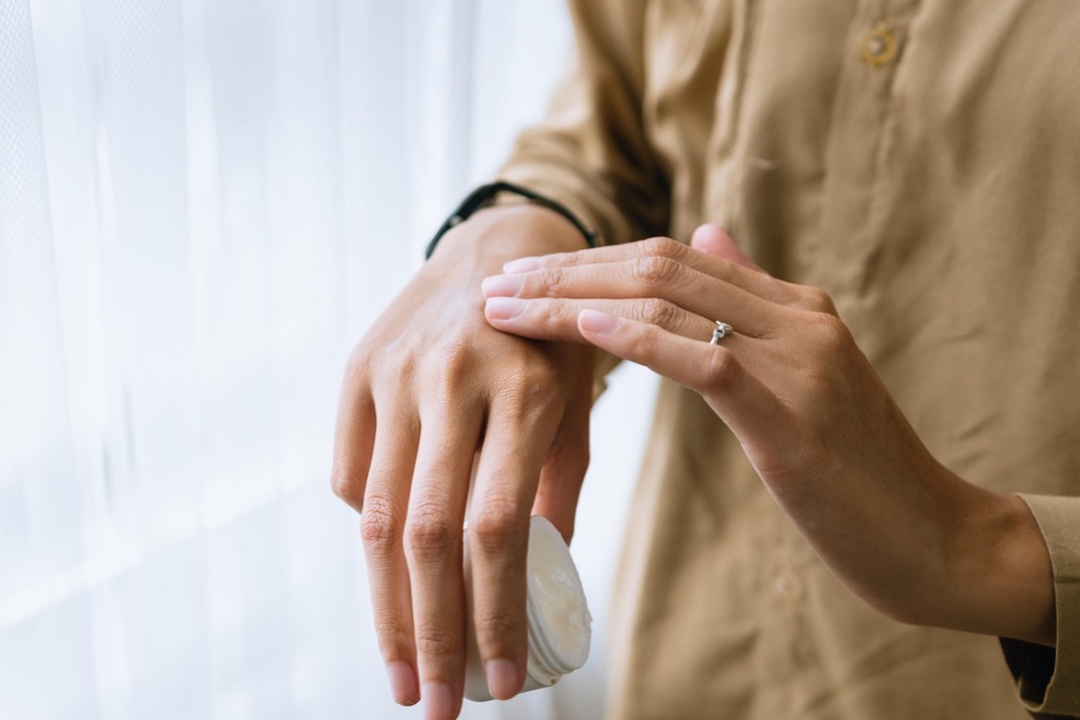
From today on, don't underestimate every mosquito pack anymore. It's not just about whether it itches right now, but also about whether the marks of that time will still be on your skin when you stand in front of the mirror a few months later. So, Lovol Medical kindly reminds everyone to endure itching, take extra care during healing, and don't neglect sunscreen for a whole day. These small acts of restraint will ultimately give you a healthy skin. But on the other hand, if there are some imprints that cannot be erased, don't make it too difficult for yourself. Those shallow imprints are just evidence of your dealings with summer, so don't pay too much attention to them.
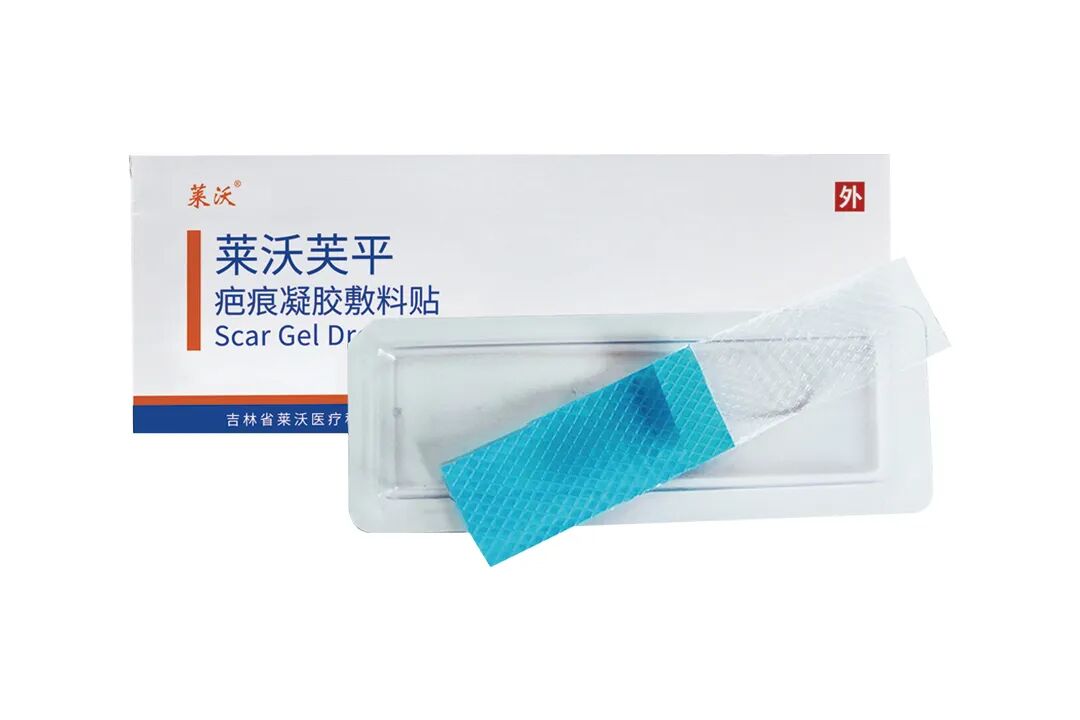
for reference only